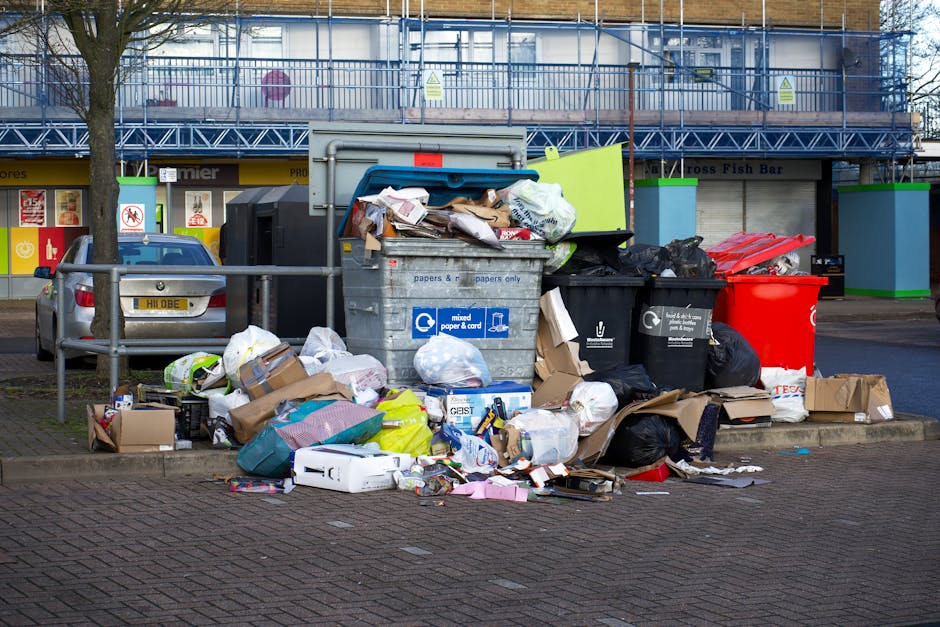
Mattress & bulky waste collection in Hampstead Heath
If you have an old mattress, a broken bed frame, or a pile of bulky items taking up valuable space, you are probably looking for a straightforward way to get rid of them without turning your hallway into a storage unit. Mattress & bulky waste collection in Hampstead Heath is exactly that kind of practical, no-nonsense service: a way to clear awkward, heavy, and often unpleasant items safely, efficiently, and with as little disruption as possible.
Truth be told, bulky waste is one of those jobs people put off. It is too large for a normal bin, too awkward to drag downstairs, and usually too inconvenient to leave waiting in a spare room. But leaving it for "later" tends to make the problem feel bigger. Whether you are clearing a flat, replacing furniture, or dealing with end-of-tenancy pressure, the right collection approach can save time, protect your property, and keep things tidy.
This guide explains how the process works, what to expect, how to choose a sensible provider, and how to avoid the mistakes that cause delays, extra costs, or unnecessary stress. It also covers practical planning, compliance, and a few local realities that matter in a busy London neighbourhood. If you want to see how a broader service works in context, you can also explore the main Hampstead Heath clearance service page for a wider overview.
Table of Contents
- Why Mattress & bulky waste collection in Hampstead Heath Matters
- How Mattress & bulky waste collection in Hampstead Heath Works
- Key Benefits and Practical Advantages
- Who This Is For and When It Makes Sense
- Step-by-Step Guidance
- Expert Tips for Better Results
- Common Mistakes to Avoid
- Tools, Resources and Recommendations
- Law, Compliance, Standards, or Best Practice
- Options, Methods, or Comparison Table
- Case Study or Real-World Example
- Practical Checklist
- Conclusion
- Frequently Asked Questions
Why Mattress & bulky waste collection in Hampstead Heath Matters
Large household items are not just inconvenient; they can become a real nuisance if they linger. A mattress in a narrow hallway, a dismantled wardrobe in the spare room, or a sofa occupying a front landing all create friction in day-to-day life. In homes around Hampstead Heath, where access can be tight and stairways are often not especially forgiving, that friction becomes even more noticeable.
Bulky waste collection matters because it solves several problems at once. It clears space, reduces trip hazards, and helps you avoid the hassle of lifting heavy items yourself. It also supports better disposal outcomes when items are sorted properly for reuse, recycling, or responsible treatment. That last bit is easy to overlook, but it matters. A mattress thrown out incorrectly can become an environmental burden; one handled properly is much more likely to be processed in a sensible way.
There is also a practical timing issue. If you are moving out, making room for a delivery, or preparing a property for new occupants, bulky waste can quickly become a blocker. And once the item is in the way, it is surprising how much else slows down with it. You start stepping around it. You stop opening the spare-room door properly. Then it just sits there, looking more irritating by the day.
For landlords, letting agents, and homeowners alike, having a reliable removal route means fewer delays and less risk of accidental damage during a rushed DIY lift. If you want to understand service standards and customer expectations before booking, it can help to review the health and safety policy and the insurance and safety information so you know how a professional setup should operate.
How Mattress & bulky waste collection in Hampstead Heath Works
The process is usually simpler than people expect. You provide a description of the items, confirm access details, and arrange a collection time. The team then arrives, loads the waste safely, and transports it for appropriate disposal or recovery. Straightforward, yes, but the details matter because bulky waste is rarely "just one item". It is often a mix of things: a mattress, base, bed frame, broken drawers, maybe an old rug, maybe a bedside table with a wobbly leg.
In practice, a good collection service should account for item size, weight, access conditions, and any special handling needs. That includes whether the mattress is a standard double or a king-size, whether it needs to be carried down stairs, and whether the item is wet, damaged, or contaminated. To be fair, a soggy mattress is not glamorous work. It is also exactly the sort of detail that should be mentioned before collection.
Some collections are arranged as part of a broader clearance, while others are single-item removals. If you are dealing with several pieces, it may be more efficient to group them into one visit. The same logic applies if you are clearing a room after a tenant has moved out, or if you are replacing multiple furnishings in one go.
Payment and booking processes also deserve attention. Clear pricing, secure payment methods, and transparent terms are all part of a professional experience. You can review the company's pricing and quotes guidance and its payment and security page to get a feel for how that side should be handled.
Key Benefits and Practical Advantages
There are plenty of reasons people choose professional mattress and bulky waste collection instead of attempting it themselves. Some are obvious. Some only become obvious after you have nearly scratched a wall or strained a shoulder moving a heavy item down the stairs. Not ideal.
The main benefits include:
- Less physical effort: heavy lifting is handled for you, which is especially useful for mattresses, wardrobes, or awkward furniture.
- Faster space recovery: once the item is gone, the room becomes usable again almost immediately.
- Reduced risk of damage: narrow hallways, communal entrances, and staircases are easier to manage when the lifting is done professionally.
- Better disposal outcomes: items can be sorted with recycling and sustainability in mind.
- Less stress: there is no need to borrow a van, hunt for help, or negotiate disposal logistics yourself.
Another practical advantage is flexibility. If you are dealing with a single mattress, the task is simple. If you are clearing a whole room, a flat, or a property after refurbishment, the same service can scale up without forcing you to coordinate several separate removals. That makes life easier, especially when deadlines are tight.
For many people, the hidden benefit is simply peace of mind. The job gets done. The item disappears. You do not have to think about it again. And honestly, that is worth quite a lot.
If sustainability matters to you, it is worth asking how items are handled after collection. A responsible provider should be able to explain its approach to reuse and material recovery. You can see an example of this kind of approach on the recycling and sustainability page.
Who This Is For and When It Makes Sense
This service is useful for a wide range of people, and not only when something is broken beyond repair. In fact, many bookings happen simply because the timing is right. A new mattress arrives, the old one needs to go. A tenant leaves bulky furniture behind. A room is being repurposed. No drama, just a practical job that needs sorting.
It usually makes sense for:
- homeowners replacing a bed or clearing old furniture
- tenants moving out and needing to leave a property tidy
- landlords or agents handling leftover bulky items
- families doing a seasonal clear-out
- people dealing with a bereavement or property transition
- small businesses removing unwanted soft furnishings or bulky stock
Sometimes the decision is about access more than volume. If you live in a top-floor flat or a building with tight stairs, even one mattress can be a headache. In those situations, a professional collection can be the sensible option, even if the item is technically manageable in size. A trolley, a second pair of hands, and a bit of experience make a big difference.
It also makes sense when time is limited. Let's face it, not everyone wants to spend a Saturday trying to tie a mattress to the roof of a car. Some jobs are simply better handed over.
Step-by-Step Guidance
If you are arranging a collection for the first time, the process is usually easier if you treat it like a small project rather than a rushed errand. A few minutes of prep saves hassle on the day.
- Identify the items clearly. Note what needs removing, how many pieces there are, and whether any are extra heavy or awkward.
- Check access. Measure stairways, door widths, and any tight corners if you suspect access could be difficult.
- Separate what stays and what goes. This helps prevent mistakes, especially if the room contains items you plan to keep or donate.
- Ask for a quote. Provide accurate details so pricing is based on the actual job, not assumptions. The pricing and quotes information is useful here.
- Confirm the collection window. Make sure someone is available if access to the property or building is needed.
- Prepare the item for safe removal. Remove bedding, clear obstacles, and ensure shared areas are not blocked.
- Check what happens after collection. Ask whether the mattress or bulky waste will be reused, recycled, or disposed of responsibly.
- Keep records if needed. Landlords, agents, and businesses may want proof of collection or payment records for administration.
A small but useful tip: if the item is in a bedroom, clear the path before the team arrives. That sounds obvious, but in the real world people often forget bedside lamps, laundry baskets, and that one chair that somehow ended up in the way. It happens.
Expert Tips for Better Results
Good results come from good preparation. The best collections feel easy because the awkward bits were thought through ahead of time.
Here are a few expert-level habits that help:
- Be exact about dimensions. A mattress marked as "double" is useful, but dimensions help even more when access is tight.
- Mention building constraints early. If there is no lift, a gated entrance, or limited parking, say so up front.
- Sort items by material where possible. Separate bedding, metal frames, wood, and mixed waste if requested.
- Photograph tricky items. A quick photo can prevent misunderstandings and help with accurate quoting.
- Ask about recycling routes. Mattress components can sometimes be processed differently depending on their condition and construction.
- Schedule with your wider plans. Align collection with delivery, decorating, or moving day so the room flow makes sense.
If you are dealing with a full clear-out rather than a single mattress, it may help to look at the broader site's guidance on service handling and coordination. The main Hampstead Heath service page can be a good starting point for understanding the wider offer.
One more thing: if you are in doubt about access or item condition, say so. A good provider would rather hear the awkward detail early than find out when the mattress is halfway through the hallway. That is just common sense, really.
Common Mistakes to Avoid
Most collection problems come from a handful of repeat mistakes. None of them are dramatic, but they do create avoidable delays and frustration.
Watch out for these:
- Underestimating item size: a king-size mattress or heavy divan base is much more awkward than it first appears.
- Forgetting access details: narrow stairwells, parking restrictions, and locked gates can change the job significantly.
- Mixing rubbish with reusable items: this can make sorting harder and may reduce reuse potential.
- Leaving the item in a blocked space: collections are smoother when the route is clear.
- Assuming every provider handles waste the same way: standards vary, so it is worth checking.
- Not confirming payment terms: always know what is included before the work starts.
Another common issue is waiting until the last minute. We have all done it. The mattress has been leaning against the wall for weeks, and then suddenly the decorating starts tomorrow. But a last-minute booking often means less flexibility and more pressure, so earlier is better when you can manage it.
If the collection is tied to a complaint, a tenant issue, or an access concern, keep a note of what was agreed. That can save a lot of back-and-forth later. And if a problem does arise with service delivery, it is helpful to know there is a clear complaints procedure in place.
Tools, Resources and Recommendations
You do not need specialist equipment to arrange a bulky waste collection, but a few simple tools and references can make the job much smoother. Most of them are things you probably already have to hand.
Helpful items and resources include:
- measuring tape for checking mattress and furniture dimensions
- phone camera for sending photos if a quote depends on access or item condition
- masking tape or labels to mark what is being removed
- basic gloves if you are moving loose bedding or small loose items before collection
- a clear path from room to exit, which is honestly the best tool of all
For anyone who wants to understand how a provider handles customer data, forms, or online browsing behaviour, it can also be sensible to review their supporting pages. That might include the cookie policy, especially if you are making enquiries online, and the accessibility statement if you need the site or service information presented clearly.
Businesses and landlords may also want to check the provider's approach to wider ethical and operational standards. The modern slavery statement is part of that due diligence picture, and while it may seem unrelated at first glance, it says something useful about a company's broader responsibilities.
Law, Compliance, Standards, or Best Practice
Bulky waste collection sits inside a practical framework of waste handling, safety, and responsible disposal. You do not need to become a legal expert to book a collection, but it helps to understand the basics.
In the UK, waste should be managed by appropriate operators and handled in a way that avoids fly-tipping, unsafe lifting, or improper dumping. For customers, the key point is simple: choose a provider that can explain where items go and how they are handled. If you are commissioning the collection, you should feel comfortable that the service is operating lawfully and safely.
Best practice usually includes:
- clear identification of the waste to be collected
- safe manual handling and access planning
- appropriate transport and disposal arrangements
- transparent pricing and terms
- reasonable efforts toward reuse or recycling where suitable
- insurance and operational safeguards for people and property
It is also sensible to check whether the provider has straightforward terms around security and payments. That helps reduce confusion and builds trust before the job begins. In a service involving property access and physical handling, those details are not minor.
For additional assurance, you can review the company's published guidance on health and safety, insurance and safety, and payment and security. Those pages help show what a responsible service should be thinking about behind the scenes.
Options, Methods, or Comparison Table
There are usually a few ways to deal with a mattress or bulky item. Some are better for small, simple jobs; others make more sense when time, access, or volume become part of the picture. Below is a practical comparison.
| Option | Best for | Pros | Trade-offs |
|---|---|---|---|
| Professional bulky waste collection | Mattresses, beds, mixed bulky items, awkward access | Fast, safer, less hassle, usually more predictable | Requires booking and may cost more than DIY |
| Self-removal to a disposal site | Small quantities, vehicle access, flexible schedule | Direct control over timing | Heavy lifting, transport issues, time-consuming |
| Local authority collection | Residents with time to wait and clear eligibility | Can suit basic household disposal needs | May involve booking limits, restrictions, or longer wait times |
| Reuse or donation route | Items in good, usable condition | Supports reuse and reduces waste | Not suitable for damaged, stained, or unsafe items |
The right choice depends on condition, urgency, and access. If the item is clean, reusable, and easy to move, reuse may be worth exploring. If it is bulky, tired-looking, or simply in the way, collection is often the cleanest answer. No drama, no weekend spent wrestling with springs and stairwell corners.
Case Study or Real-World Example
Imagine a small flat near Hampstead Heath where a tenant is moving out on Friday afternoon. The bedroom contains a double mattress, an old bed base, and two broken drawers. The building has a narrow staircase, no lift, and limited parking outside. The outgoing tenant has already packed, but the room still feels crowded and oddly echoey, like it is waiting for one last job to be done.
In that situation, a planned collection is far easier than trying to improvise. The tenant or agent sends clear details, including access notes. The collection is booked for a time when the entrance is least busy. The mattress is removed first, then the base, then the smaller items. Because the provider knows the access is tight, the team can arrive prepared rather than guessing.
The value here is not just removal. It is sequence, timing, and control. The property is left clear for cleaning and inspection, and no one spends the evening carrying furniture down stairs with that mildly panicked expression people get when the item is wedged at an awkward angle. You know the look.
That kind of practical coordination is what turns a potentially messy job into a manageable one. Simple enough in hindsight, but very useful in the moment.
Practical Checklist
Before you book your collection, run through this checklist. It saves time and tends to catch the small details that become annoying later.
- Identify every item that needs removing
- Confirm mattress size and furniture dimensions
- Check stairs, lifts, and door widths
- Note any parking or access restrictions
- Separate waste from items you want to keep
- Take photos if the job is complex
- Ask about pricing and what is included
- Confirm how items will be handled after collection
- Prepare the route from room to exit
- Keep payment and booking details handy
Expert summary: The best mattress and bulky waste collections are the ones that feel almost boring on the day. That is a good thing. It means the access was clear, the quote was accurate, the lifting was handled safely, and the item left the property without creating extra mess or stress.
Conclusion
Mattress & bulky waste collection in Hampstead Heath is, at its best, a practical service that removes friction from busy lives. It helps you reclaim space, avoid awkward lifting, and keep homes, flats, and shared buildings tidy without dragging the whole job out for days. Whether you are dealing with a single mattress or a larger clear-out, the right approach is always the same: plan clearly, communicate access details, and choose a provider that treats safety and disposal properly.
If you are weighing up options, start with the basics: item type, access, timing, and what needs to happen after collection. From there, the decision usually becomes much easier. And if you want a smoother booking process, it is worth reviewing the provider's supportive pages on pricing, sustainability, and safety before you commit.
Get a free quote today and see how much you can save.
When the clutter is gone and the room feels open again, even a small space can feel like a fresh start. That part never gets old.
Frequently Asked Questions
What counts as bulky waste in Hampstead Heath?
Bulky waste usually means large household items that do not fit in standard bins, such as mattresses, bed frames, sofas, wardrobes, tables, and similar furniture. In some cases, mixed household items may also count if they are too large or awkward for normal disposal.
Can you collect just one mattress?
Yes, single-item collections are very common. A mattress on its own is often the exact reason people book a collection, especially if they are replacing a bed or preparing a room for use again.
Do I need to move the mattress outside before collection?
Usually not. Many services can collect from inside the property, though access details matter. If the mattress is on an upper floor or in a tight space, tell the provider in advance so they can plan the lift safely.
How do I know if my mattress can be recycled?
That depends on the mattress type, construction, and condition. Some components may be recyclable, but heavily damaged, wet, or contaminated items may need different handling. A good provider should be able to explain the likely route.
Is bulky waste collection cheaper than hiring a van myself?
It depends on how much you need removed, how easy the access is, and whether you have your own transport. DIY can seem cheaper at first, but once you factor in time, fuel, labour, and disposal effort, professional collection often compares well.
What if I live in a flat with no lift?
That is very common in London. Just mention it when booking. Stairs are not a problem by themselves, but they do affect timing, lifting requirements, and sometimes pricing.
How quickly can a bulky waste collection be arranged?
Timeframes vary depending on workload and availability. Some collections can be arranged quickly, while others need a longer lead time. If your deadline is tight, ask early rather than assuming it will be possible at short notice.
Will the company take more than one item?
Usually yes. Many customers book collections for multiple items at once, such as a mattress, a bed base, and an old chest of drawers. Grouping items can often be more efficient than arranging several separate visits.
What should I do before the collection team arrives?
Clear the path, separate items you want to keep, and make sure the route from the room to the exit is unobstructed. If you have pets, children, or fragile items nearby, move those out of the way too.
How can I be sure the waste is handled responsibly?
Ask how items are processed after collection and check whether the provider has clear sustainability and safety information. Published guidance on recycling and sustainability is a useful sign that the company thinks carefully about disposal outcomes.
What if I have a complaint after the service?
If something goes wrong, it helps to know the provider has a formal way to handle issues. You can review the complaints procedure so you understand the steps available if you ever need them.
Can bulky waste collection work for landlords and letting agents too?
Yes, absolutely. In fact, it is often one of the most efficient ways to clear leftover furniture, mattresses, and tenant waste between occupancies. It keeps the property ready for cleaning, inspection, or new tenants without delay.
Is there anything special about collecting mattresses compared with other bulky items?
Mattresses can be awkward because they are large, flexible, and difficult to grip. They also need careful handling due to hygiene and disposal considerations. Compared with hard furniture, they often require a slightly different lifting and processing approach.