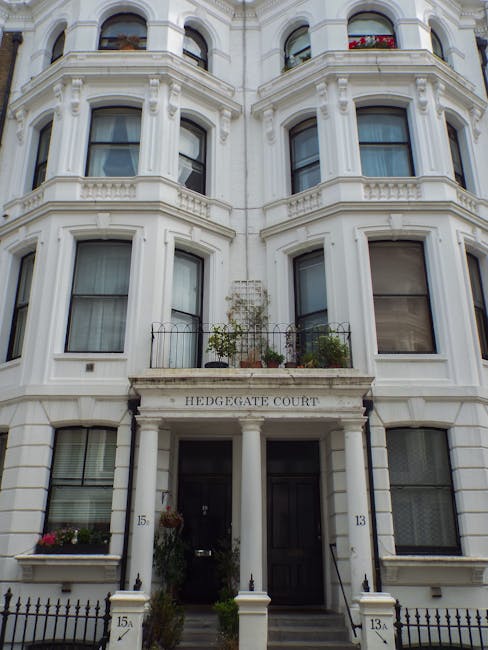
Heath Street to Frognal: estate clearance tips NW3
If you are dealing with an estate clearance anywhere between Heath Street and Frognal in NW3, the job can feel bigger than the boxes, bags, and furniture suggest. There is usually a story behind every room. A spare key in a drawer. Old paperwork tucked into a sideboard. A wardrobe that seemed lighter until you started moving it. In a place like NW3, where homes range from compact flats to larger period houses, a good clearance is about more than just removal. It is about planning, sensitivity, and making sensible decisions under a bit of pressure.
This guide to Heath Street to Frognal: estate clearance tips NW3 is designed to help you get organised, avoid common mistakes, and understand what a professional clearance should look like. Whether you are sorting a family home, managing a probate property, or simply trying to clear a place quickly and respectfully, the aim is the same: make the process smoother, safer, and less stressful. Lets face it, nobody really wants to spend a week wondering what goes where.
Below you will find practical steps, local considerations, a comparison of clearance options, and a realistic checklist you can actually use. You will also see where services such as house clearance, home clearance, and furniture disposal fit into the picture when the job needs proper hands-on support.
Table of Contents
- Why Heath Street to Frognal: estate clearance tips NW3 Matters
- How Heath Street to Frognal: estate clearance tips NW3 Works
- Key Benefits and Practical Advantages
- Who This Is For and When It Makes Sense
- Step-by-Step Guidance
- Expert Tips for Better Results
- Common Mistakes to Avoid
- Tools, Resources and Recommendations
- Law, Compliance, Standards, or Best Practice
- Options, Methods, or Comparison Table
- Case Study or Real-World Example
- Practical Checklist
- Conclusion
- Frequently Asked Questions
Why Heath Street to Frognal: estate clearance tips NW3 Matters
Estate clearance in NW3 matters because the area presents a very particular mix of property types, access conditions, and family expectations. Heath Street, Hampstead, and Frognal are not the sort of places where you can assume easy van access, wide stairwells, or endless on-street space. In real life, you may be dealing with narrow roads, permit concerns, basement rooms, upper-floor flats, or furniture that seemed like a good idea to keep thirty years ago and now simply has to go.
The emotional side matters too. Estate clearance often happens after a bereavement, during a move into care, or while handling a property that needs to be sold or let. That can make decisions feel heavier than they should. A calm, methodical approach helps protect both the value of the estate and your own energy. In our experience, the clearer the plan, the less likely small problems become big ones.
It also matters because sorting, lifting, and disposal are not just physical tasks. They involve judgement. Which items should be retained? What can be donated? What needs secure disposal? What should be recycled rather than thrown away? A well-managed clearance can reduce waste, improve the final appearance of a property, and make the next step, whether that is probate, sale, refurbishment, or letting, much easier to handle.
If you want to understand how a broader service fits in, the general approach used in waste removal and recycling and sustainability can be just as relevant to an estate as it is to a home or office. The principle is simple: remove what should go, and route the rest in a responsible way.
How Heath Street to Frognal: estate clearance tips NW3 Works
At its simplest, estate clearance follows a sequence. First you identify what must stay and what can leave. Then you decide whether the work is being done by family, a solicitor, a landlord, an executor, or a clearance company. After that comes access planning, packing or separating items, removal, and final site tidy-up. Sounds straightforward. In practice, of course, there are usually a few surprises.
A good clearance service will typically start with a walkthrough or a detailed call. That helps assess volume, access, any fragile items, and whether specialist handling is needed. For example, heavy wardrobes, bulky sofas, pianos, attic contents, or a damp garage full of mixed items all need a different approach. If the property is a flat, you may also need to think about shared hallways, lifts, neighbours, and building rules. A practical option such as flat clearance can be especially useful where access is tight and the removal needs to be tidy and discreet.
The process usually works best when the property is divided into categories:
- items to keep
- items to sell or pass on
- items to donate
- items for recycling
- items for disposal
That simple sorting step saves time later. It also reduces the risk of accidentally removing something important, which is the sort of mistake that can sting for a long time. A marriage certificate, a deed, a photo album, or a small envelope of cash can be easy to overlook in the wrong pile.
Where furniture is concerned, some households need both removal and careful disposal planning. Services like furniture clearance can help when you are dealing with beds, wardrobes, tables, and mixed household items. If the project includes lofts, garages, or tucked-away storage rooms, it may be worth considering loft clearance or garage clearance alongside the main estate work.
Key Benefits and Practical Advantages
A careful estate clearance offers more than a tidy property. It gives you control, clarity, and a better outcome for the people involved. That may sound a bit neat on paper, but in real terms it makes a huge difference.
Here are the main benefits:
- Less stress: A structured plan reduces the sense of chaos and helps everyone know what happens next.
- Better recovery of valuables: When items are sorted methodically, it is easier to spot paperwork, jewellery, heirlooms, and sentimental belongings.
- Faster property readiness: A cleared home can be prepared more quickly for sale, probate valuation, cleaning, or refurbishment.
- Safer handling: Heavy lifting, old appliances, and awkward furniture are best managed with proper equipment and experience.
- Reduced waste: Good sorting supports reuse and recycling instead of sending everything to landfill.
- Cleaner presentation: A property that has been thoroughly cleared often feels calmer and more saleable.
There is also a quieter advantage that people do not always talk about. A good clearance can create a sense of closure. Not the dramatic, film-style kind. Just a practical sense that the next step is possible now. The place is empty. The decisions have been made. The weight has shifted a little.
For households with a lot of mixed contents, home-focused services such as home clearance or broader house clearance can save a great deal of time compared with trying to manage every item individually.
Who This Is For and When It Makes Sense
This kind of clearance is useful for several groups, not just families dealing with probate. You might need it if:
- you are an executor or administrator handling a deceased person's estate
- a relative is moving into supported living or care
- a landlord needs a property emptied between tenancies
- you are preparing a home for sale or renovation
- a flat has been left full after a long occupancy
- you are consolidating inherited items across several rooms or storage spaces
It also makes sense when the work feels too large to tackle in weekends and evenings. Many people start with the best intentions, then realise the sheer volume is the real problem. A few bags are manageable. Three rooms, a loft, and a garage? Different story.
If the property also has business-related contents, paperwork, or old office furniture, it can be worth looking at office clearance or business waste removal as parallel services. That is especially relevant where a home has doubled as a workspace, which happens more often than people admit.
Step-by-Step Guidance
Here is a practical route through the process. Keep it simple. Overcomplicating estate clearance is a fast way to lose momentum.
- Walk through the property first. Make a room-by-room note of what is there. Look inside cupboards, under beds, behind doors, in loft hatches, and in the back of garages.
- Separate legal or sentimental items. Put passports, deeds, wills, keys, jewellery, and family photos in a safe box before any removal starts.
- Decide what stays. Be brutally practical. If an item will not be reused, sold, donated, or loved, it may be ready to go.
- Group items by outcome. Keep, donate, recycle, dispose. Four piles, not forty. Keep it manageable.
- Check access. Measure bulky furniture, note stair turns, and think about parking or loading space. NW3 streets can be awkward, and it is better to know before the van arrives.
- Choose the right service. A general waste removal solution may be enough for mixed rubbish, while larger domestic contents may suit a tailored clearance service.
- Confirm timing. If the property is on a sale timeline or probate deadline, schedule the work with enough breathing room for surprises.
- Ask about disposal routes. Reuse, recycling, and responsible disposal should be part of the plan, not an afterthought.
- Do a final sweep. Check drawers, airing cupboards, window ledges, behind radiators, and the top of wardrobes. Honestly, people forget the strangest places.
- Document what matters. A quick photo record can be useful for executors, family members, or agents who need evidence of what was cleared.
If you are unsure where a piece of furniture should go, a dedicated furniture disposal service may help you separate useful items from those that are past repair. That distinction matters more than it seems at first glance.
Expert Tips for Better Results
1. Start with the obvious risk points. Wardrobes, drawers, under-stair cupboards, lofts, sheds, and garages are where hidden clutter likes to live. Deal with those early, not at the end when everybody is tired.
2. Keep one decision-maker in charge. Estate clearances can stall when six people have six opinions about the same chair. Agree who makes the final call on each category.
3. Separate sentimental items before the heavy lifting starts. Once boxes begin moving, it becomes harder to spot the little things. A photograph, a watch, a handwritten recipe card. The small items matter most sometimes.
4. Use a phased approach for large homes. If the property is substantial, clear one floor at a time. It keeps the work visible and stops the place from becoming a complete mess mid-process.
5. Think about donation and reuse early. Good-quality furniture and household items may be suitable for onward use. That can reduce disposal volume and feel better on a human level too.
6. Ask about insurance and safety. Any clearance team working with heavy or awkward items should be able to explain how they protect the property and the people in it. You can read more about this on the site's insurance and safety page and the health and safety policy.
7. Keep a list of items you may want to sell later. Don't mix resale pieces with rubbish. That is how nice things vanish into the wrong pile. Bit annoying, that.
Common Mistakes to Avoid
Most clearance problems are preventable. They usually come from rushing, poor communication, or assuming the job will be simpler than it is.
- Starting without a full walkthrough: This is how people miss attics, cellars, and storage cupboards.
- Throwing everything into one pile: You may save time in the moment, but you lose control over valuables and recyclable items.
- Forgetting access restrictions: Parking, loading space, stairs, and building rules can all affect timing and cost.
- Not protecting floors or walls: Older properties in NW3 often have finishes that mark easily.
- Ignoring paperwork: Estate paperwork, financial records, and personal documents should be handled carefully.
- Leaving compliance questions to the last minute: Responsible disposal, waste transfer, and safety should not be vague.
- Assuming every item has to be removed one way: Some can be reused, some recycled, some disposed of. One size rarely fits all.
A small but common issue is emotional fatigue. People start strong, then hit a wall halfway through a bedroom cupboard or the second floor landing. That is normal. The answer is usually a break, not a bigger dose of willpower.
Tools, Resources and Recommendations
You do not need a truckload of gear to manage an estate clearance, but a few basics help a lot. A sensible setup makes the work faster and less frustrating.
| Tool or Resource | Why it helps | Best used for |
|---|---|---|
| Heavy-duty bags and boxes | Keeps sorting organised and easier to carry | Books, paperwork, textiles, mixed household items |
| Labels or marker pens | Stops confusion between keep, donate, recycle, and dispose | Room-by-room sorting |
| Gloves and sturdy footwear | Improves safety when handling awkward or dusty items | Lofts, garages, sheds, basements |
| Phone camera | Creates a quick visual record for family or executors | Valuables, room condition, item tracking |
| Measuring tape | Helps with bulky furniture and access checks | Sofas, wardrobes, beds, stair turns |
| Clearance company quote | Gives a realistic sense of scope and timing | Large, urgent, or sensitive clearances |
If you are comparing providers, look for clarity rather than shiny promises. A proper quote should explain what is included, how access affects the work, and whether recycling or donation routes are part of the service. The site's pricing and quotes page is a useful place to understand that process before you commit.
It also helps to choose a company that is clear about values and working standards. The about us page can give you a feel for the sort of team you are dealing with, while recycling and sustainability matters if you want the clearance handled responsibly rather than just quickly.
Law, Compliance, Standards, or Best Practice
Estate clearance can involve items and circumstances that need careful handling. While this article is not legal advice, there are sensible UK best practices to follow.
Document ownership and authority. If you are clearing an estate, make sure you have the authority to remove items. Executors, administrators, landlords, and family members all have different roles, and clarity helps avoid disputes later.
Separate confidential material. Personal documents, bank paperwork, identity records, and other sensitive items should be handled securely. If paperwork is found during a clearance, it should be reviewed before disposal.
Use responsible waste routes. Reputable clearance work should align with proper disposal and recycling practices. Mixed waste should not be dumped carelessly, and hazardous items should not be handled as ordinary household rubbish. If you are unsure about a specific item, ask before removal.
Prioritise safety. Heavy lifting, old appliances, sharp edges, and dust from lofts or garages can all create risk. A proper health and safety policy is not just paperwork; it reflects how the work is actually carried out. The same goes for insurance and safety arrangements.
Know your responsibilities around business or mixed-use contents. If a property contains trade waste, office equipment, or commercial stock, the rules and handling may differ. That is where business waste removal can be relevant.
Good best practice is not about being over-formal. It is about being careful where it matters and not cutting corners just because the job is tiring.
Options, Methods, or Comparison Table
There is more than one way to clear an estate in NW3. The right method depends on time, volume, access, and how much of the sorting you want to do yourself.
| Method | Best for | Pros | Trade-offs |
|---|---|---|---|
| DIY clearance | Small properties or a low volume of items | Lower direct cost, full control | Time-consuming, physically demanding, more trips |
| Partial self-clearance with support | Families who want to keep, sort, and box valuables first | Good balance of control and efficiency | Still requires planning and lifting |
| Full professional clearance | Large homes, tight timelines, difficult access, emotional situations | Fast, organised, safer for heavy items | Costs more than doing it yourself |
| Room-by-room phased clearance | Properties with many categories of contents | Less overwhelming, easier to track decisions | Takes longer overall |
For many people, a hybrid approach works best. You handle the personal items first, then bring in support for the heavy or bulky remainder. That is usually the least stressful route, truth be told.
Case Study or Real-World Example
Here is a realistic example based on the kind of job often seen between Heath Street and Frognal.
A family needed to clear a three-bedroom Hampstead property after a relative moved into care. The house had a loft packed with old school books, a garage with paint tins and broken shelving, and two large wardrobes that would not fit safely down the staircase without disassembly. The family started with good intentions, but after one weekend they realised the sentimental items, the paperwork, and the size of the furniture were going to slow everything down.
So they changed the approach. First, they set aside documents, photographs, and valuables. Next, they identified furniture that could be reused and pieces that needed disposal. Finally, they booked a clearance team for the heavier work, including the loft and garage. The result was a calmer process, less lifting, and a property that was ready for the next stage without last-minute panic.
The useful lesson here is simple: the best estate clearance plan is rarely the most dramatic one. It is usually the one that breaks the work into realistic chunks and keeps the important items safe. A bit boring, maybe. But effective.
Practical Checklist
Use this checklist before the clearance starts. It will save you from having to backtrack halfway through.
- Confirm who has authority to clear the property
- Identify items to keep, sell, donate, recycle, and dispose
- Remove documents, keys, jewellery, and sentimental items first
- Check lofts, garages, sheds, cupboards, and under-bed storage
- Measure large furniture and note access restrictions
- Decide whether you need house, flat, loft, or garage support
- Ask for pricing details and what the quote includes
- Confirm safety, insurance, and disposal standards
- Arrange parking or loading access where necessary
- Take photos for your records before and after
- Keep any items you may want to sell separately
- Review the property once more before final sign-off
Quick takeaway: the more clearly you sort the property before removal day, the faster and cleaner the clearance will be. That one step can save a surprising amount of stress.
Conclusion
Estate clearance in NW3 is rarely just a logistical task. It is a practical job, yes, but also a human one. Between Heath Street and Frognal, you may be dealing with tight access, valuable contents, family decisions, and a fair amount of emotion. A good plan respects all of that. It protects the items that matter, moves the rest out efficiently, and helps the property reach its next stage without unnecessary strain.
If you remember only one thing from this guide, let it be this: sort first, lift second, and never assume the job is smaller than it looks from the doorway. That approach saves time, avoids mistakes, and makes the whole process much more manageable.
If you would like support with a careful, well-organised clearance, start by reviewing the relevant service pages and getting a clear quote. A little preparation now can make a difficult day feel far more controllable later on.
Get a free quote today and see how much you can save.
Frequently Asked Questions
What does estate clearance usually include in NW3?
It usually includes sorting, removal, responsible disposal, and sometimes recycling or donation of suitable items. The exact scope depends on the property, access, and whether you want help with every room or just the bulky contents.
How long does an estate clearance take?
That depends on the size of the property and how much sorting has already been done. A small flat may be completed quickly, while a larger house with loft or garage contents can take much longer. The best estimate usually comes after a walkthrough.
Do I need to sort everything before the clearance team arrives?
No, not everything. But it helps a lot if you separate documents, valuables, and sentimental items first. That reduces the chance of anything important being removed by mistake.
Is estate clearance different from house clearance?
They overlap, but estate clearance often involves more sensitivity, authority, and sorting because it can follow a death, probate matter, or major life change. House clearance is a broader term and may be used for general domestic clear-outs.
What should I do with furniture that still has some value?
Keep it separate from disposal piles and ask whether it can be reused, donated, or sold. If the item is damaged or no longer suitable, a proper furniture disposal route is usually better than leaving it mixed in with general waste.
How do I handle a flat clearance on a narrow street or upper floor?
Plan access carefully, measure bulky items, and confirm any building rules in advance. Services like flat clearance are especially useful where stairs, shared entrances, or limited parking make the work more complicated.
Can you clear lofts and garages as part of the same job?
Yes, and it is often sensible to do so. Loft and garage contents are easy to forget, and they can add a lot of volume to the overall clearance if you leave them until last.
What happens to items that can be recycled?
They should be separated where possible and sent through appropriate recycling routes. A responsible provider should treat recycling as part of the process rather than an afterthought.
How do I know if a clearance company is trustworthy?
Look for clear pricing, sensible explanations of safety and insurance, a practical approach to disposal, and transparent service information. The way a company explains the job often tells you a lot about how it will be handled.
What if the estate includes office furniture or business items?
Then you may need a mixed solution that includes business waste removal or office clearance alongside domestic items. That avoids confusion and helps ensure the contents are handled in the right way.
Should I keep records of what was removed?
Yes, especially in probate or family situations. A simple photo record or written note can help with valuations, accountability, and peace of mind.
Where can I find more details about safety, payment, or complaints?
Useful supporting pages include the site's payment and security information, complaints procedure, and contact page if you want to ask a direct question before booking.
What is the best first step if I feel overwhelmed?
Start with one room and one category of items. Keep the important papers and valuables safe, then deal with the rest in small, manageable sections. A little progress is better than a perfect plan that never starts.